Storing It on Your Own Land Might Be Costing You More Than You Realize
Most rural and suburban property owners figure that what they park on their own land is their business. You own the ground, you own the equipment — seems simple enough. But that comfortable assumption glosses over a whole layer of legal and financial exposure that can turn a seemingly free storage solution into a genuinely expensive problem.
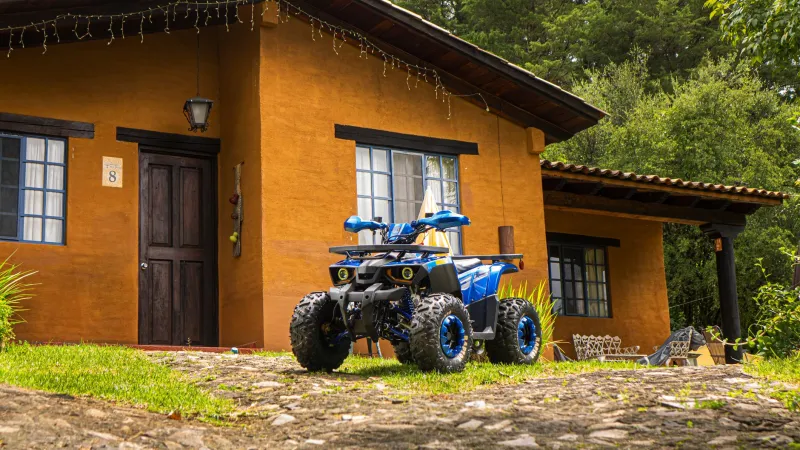
We're talking about boats, trailers, ATVs, farm equipment, work vehicles — the kind of stuff that's expensive to buy, expensive to repair, and apparently expensive to just leave sitting there. Let's walk through what's actually at stake.
The Liability Risk Nobody Mentions at the Dealership
When you drive a piece of equipment off the lot, the salesperson isn't going to pull you aside and say, "By the way, if a neighbor kid wanders onto your property and gets hurt climbing on that trailer, you could be looking at a lawsuit." But that's exactly the kind of scenario property liability attorneys deal with regularly.
Under a legal concept called "attractive nuisance," certain property features — including large equipment, boats, and trailers — can be considered enticing to children. If a minor is injured on your property because they were drawn to something you left accessible, you may carry legal responsibility even if the child was technically trespassing. That's a hard pill to swallow, and it's one a lot of property owners have never heard of.
And it's not just kids. Neighbors, farmhands, delivery drivers — anyone who steps foot on your land and gets hurt near your stored equipment can potentially bring a claim. The more stuff you have parked around your property, the more exposure points you're creating.
Your Homeowner's Insurance Might Not Have Your Back
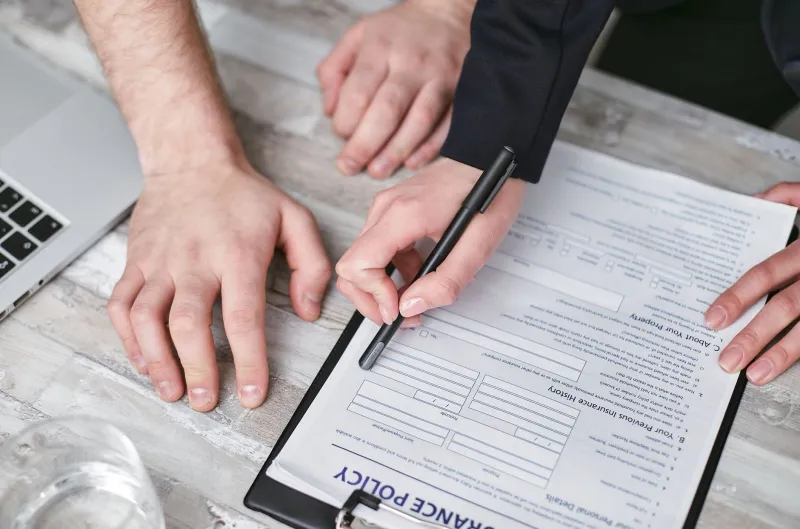
Here's where things get frustrating. A lot of people assume their homeowner's policy wraps around everything on their land like a security blanket. In reality, most standard policies come with strict limits on what's covered — and stored vehicles, boats, and equipment often fall into a gray zone.
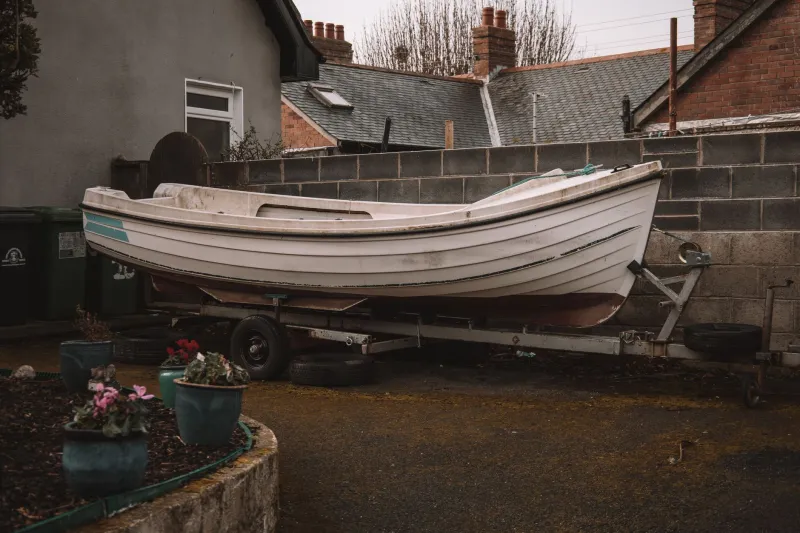
Boats, for example, are frequently excluded from homeowner's policies or covered only up to a minimal dollar amount. The same goes for trailers and commercial equipment. If your boat is damaged in a storm while it's parked on your property, you might discover your coverage is far less than the repair bill.
On the liability side, if someone is injured because of your stored equipment, your homeowner's policy might cover some of it — or it might not, depending on how the claim is categorized. Getting into that kind of ambiguity with an insurance company after something has already gone wrong is not a fun place to be.
The smarter move is to talk to your insurance agent before an incident happens. When you do, don't be surprised if they tell you that moving your equipment to a dedicated storage facility actually simplifies your coverage and reduces your exposure.
Property Taxes and Local Ordinances: The Quiet Complications
Depending on where you live, parking certain types of equipment or vehicles on your property can have tax implications or put you sideways with local zoning rules. Some counties assess personal property taxes on boats, trailers, and heavy equipment — and having them visibly stored on your land makes it easier for assessors to identify and value them.
Zoning ordinances are another consideration. Plenty of suburban and even rural areas have restrictions on storing commercial vehicles, large trailers, or certain types of equipment on residential property. These rules are often unenforced for years until a neighbor complains or a local official does a sweep — and then you're suddenly looking at fines or a forced removal order.
None of this means you're doing anything wrong. It just means the picture is more complicated than "it's my land and I'll park what I want on it."
What Professional Storage Actually Gets You
Moving your boat, trailer, or equipment to a dedicated facility isn't just about freeing up space at home — though that's a real benefit. It's about offloading a whole category of risk that you probably didn't realize you were carrying.
At a facility like Big Country Parking & Storage, your equipment is stored in a controlled environment with defined access, security measures, and clear terms around responsibility. That separation matters legally. If your boat is stored off-site and something happens to it, the claim process is cleaner and your personal property isn't tangled up in the middle of it.
From an insurance standpoint, many carriers actually look more favorably on equipment stored at a licensed facility. You may find that your coverage improves — or that you can get standalone coverage for your stored assets at a rate that makes sense — once you move things off your personal property.
And when it comes to liability? That risk doesn't follow your equipment to a storage lot. You're not responsible for what happens at a facility you don't own or operate. That alone is worth thinking about.
The Math Changes When You Add It All Up
Storage rental costs money — no point pretending otherwise. But when you stack that monthly fee against the potential cost of a liability claim, an uncovered insurance loss, a zoning fine, or a property tax reassessment, the math starts looking different pretty quickly.
Most people who move their equipment to off-site storage aren't doing it because they ran the numbers obsessively. They're doing it because something happened — a close call, a neighbor's complaint, a conversation with their insurance agent — that made them realize the "free" option wasn't actually free.
The goal here isn't to scare you off your own property. It's to make sure you're making an informed decision rather than an assumed one. Because the risks we've covered here are real, they're common, and they're almost never discussed until after someone runs into them.
A Few Questions Worth Asking Yourself
Before you pull that boat or trailer back onto your property for another season, it might be worth sitting with a few honest questions:
- Does your homeowner's insurance actually cover the equipment you're storing, and at what value?
- Are there children in your neighborhood who could reasonably access your property?
- Do you know your local zoning rules around stored vehicles and equipment?
- Have you ever had your stored assets assessed as part of your property tax?
If any of those questions give you pause, that's probably worth paying attention to. Reaching out to a local storage facility — even just to get a sense of what options and pricing look like — costs nothing and might give you a clearer picture of where you actually stand.
At Big Country Parking & Storage, we work with property owners all the time who didn't realize how much they were carrying until they took a step back and looked at it clearly. We're happy to talk through what we offer and help you figure out whether off-site storage makes sense for your situation.