What Your Driveway Is Really Costing You: A Honest Look at On-Site Parking Expenses
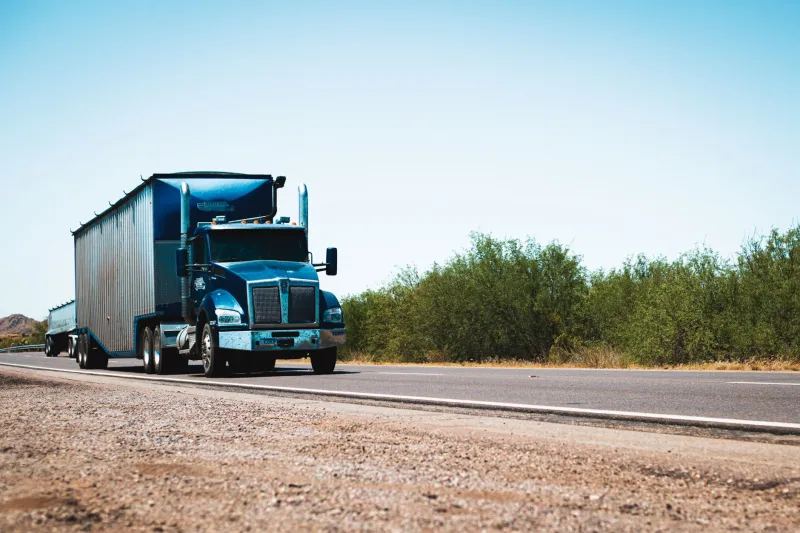
There's a certain comfort in pulling onto your own property and knowing your truck, trailer, or RV is right there where you left it. It feels free. It feels convenient. And for a lot of rural and suburban homeowners, it feels like the obvious choice.
But "free" has a funny way of hiding invoices in the fine print.
When you start adding up what it actually costs to maintain usable parking space on your property — the gravel, the drainage, the insurance riders, the seasonal repairs, and yes, even the property tax implications — the picture gets a lot more complicated. And for a growing number of property owners across the country, that honest accounting is exactly what's driving them toward dedicated parking and storage facilities instead.
Let's walk through what on-site parking is really costing you.
The Gravel Problem Nobody Talks About
If you've got a gravel driveway or a gravel lot, you already know the drill. Every spring, after the freeze-thaw cycle has done its damage, you're looking at ruts, washouts, and thin spots that need attention. A basic gravel refresh for a modest rural driveway — we're talking maybe 100 feet by 12 feet — can run anywhere from $300 to $800 depending on your region and how much material you need. Do that every two or three years, and it's a real line item.
Paved surfaces aren't a free pass either. Asphalt sealing typically runs $0.15 to $0.25 per square foot, and a full repave? You're looking at $3 to $5 per square foot when the time comes. Concrete is even steeper upfront. These aren't hypothetical expenses — they're the kind of thing that lands in your lap when you least expect it.
And if you're storing heavier equipment — think fifth-wheel campers, farm equipment, or commercial trailers — the wear on your surface accelerates significantly.
Drainage: The Silent Budget Killer
Water is patient. It will find every low spot, every compacted area, every place where your parking surface meets your lawn, and it will work on it until you've got a problem. Proper drainage infrastructure — French drains, culverts, regrading — isn't cheap, and it's not a one-time fix.
For rural properties especially, poor drainage around parking areas can lead to erosion that affects more than just where you park. It can undermine outbuildings, damage landscaping, and create muddy conditions that make access difficult for months at a time.
A dedicated storage facility has already solved this problem. The grading, the drainage, the surface maintenance — that's baked into what you're paying for. You're not on the hook for any of it.
Liability: The Expense You Don't See Until You Do
Here's one that surprises a lot of people. If someone is injured on your property — a neighbor helping you load your boat, a delivery driver who trips near your parked trailer — your homeowner's or commercial property insurance is what stands between you and a lawsuit.
Most standard homeowner's policies have limits that feel comfortable until they're actually tested. And if you're running any kind of business out of your property, or if you have employees or contractors coming and going, your exposure goes up considerably.
Many property owners who store commercial vehicles, equipment, or high-value recreational assets on-site end up needing umbrella policies or additional liability riders that can add $200 to $500 or more per year to their insurance costs. That's a real number worth putting into your comparison.
When you store at a dedicated facility, the liability picture shifts. The facility carries its own insurance. You're still responsible for your own property, but the premises liability burden moves off your plate.
Property Tax: The Quiet Multiplier
This one is subtle, but it's worth understanding. In many counties across the US, improvements to your property — including paved or improved parking areas — can trigger a reassessment that bumps up your property tax valuation. It doesn't always happen, and the amount varies widely by jurisdiction, but it's a real possibility that most people never factor in when they're deciding whether to pour that concrete pad.
If you're in a rural area where land is already being assessed at agricultural rates, adding improved infrastructure can sometimes shift how your land is classified. Worth a conversation with your county assessor before you commit to a major parking improvement project.
Seasonal Repairs and the Time Tax
Money isn't the only currency here. Time matters too.
Maintaining on-site parking means you're the one dealing with the pothole that appeared after the last hard freeze. You're the one calling around for gravel quotes in March when everyone else is doing the same thing. You're the one figuring out why the water is pooling near the barn again.
That time has value. For small business owners especially, hours spent on property maintenance are hours not spent on revenue-generating work.
Building Your Own Cost Comparison
Every property is different, so here's a simple framework you can use to run your own numbers:
Annual On-Site Parking Costs to Estimate:
- Surface maintenance (gravel refresh, sealing, patching): ___/year
- Drainage upkeep or improvements: ___/year
- Additional insurance (riders, umbrella): ___/year
- Estimated property tax impact: ___/year
- Your time (hours × your hourly value): ___/year
- Seasonal access issues (lost productivity, equipment): ___/year
Total: ___/year
Now compare that against the monthly rate at a dedicated parking or storage facility, multiplied by 12. For many people, especially those storing RVs, boats, trailers, or commercial vehicles, the dedicated facility comes out ahead — or at worst, within striking distance — while offering better security, better surface conditions, and zero maintenance headaches.
The Real Value Proposition
At Big Country Parking & Storage, we work with a lot of folks who came to us after running exactly this kind of math. They weren't looking to give up convenience — they were looking to stop subsidizing a "free" option that kept sending them unexpected bills.
Dedicated storage facilities aren't just for people who don't have space. They're increasingly the smart choice for people who do have space but have figured out what it actually costs to use it.
If you've been on the fence, it might be time to do the honest accounting. You might be surprised what you find.
