Your Year-Round Vehicle Storage Playbook: Protecting Every Asset Through Every Season

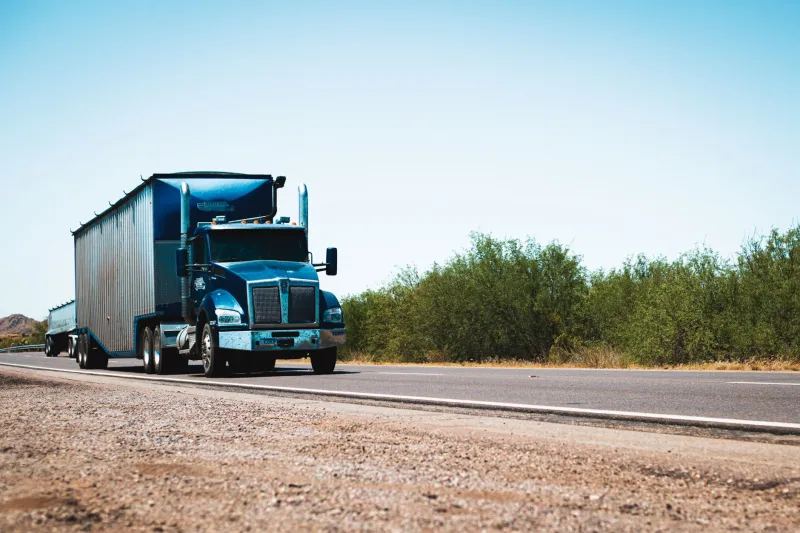
Photo by Photo by Jacob Skowronek on Unsplash on Unsplash
America is a big country, and depending on where you live, "seasonal storage" means something pretty different. A guy in Minnesota has a very different relationship with winter than someone in the Texas Hill Country. A boat owner in the Pacific Northwest deals with moisture year-round, while a classic car enthusiast in Arizona is fighting heat and UV damage instead of ice.
But here's what everyone has in common: the vehicles and equipment that sit unused for weeks or months at a time take a beating when they're not properly stored. And the cost of that neglect — corroded batteries, cracked seals, UV-faded interiors, rust, rodent damage — adds up to real money on real assets.
This guide is your season-by-season playbook. We'll walk through what to store, when to store it, and what to do before you walk away from it for the season.
January & February: The Deep Freeze
What's in play: Snowmobiles are running, but boats, RVs, motorcycles, ATVs, and classic cars should already be tucked away.
For most of the country, these are the months when you're maintaining your storage situation rather than initiating it. But if you're in a milder climate — say, the Southeast or the Southwest — January might actually be a great time to get ahead of spring prep.
Key actions:
- Do a mid-winter check on anything in storage. Battery tender still connected? Tire pressure holding? Any signs of moisture intrusion or pests?
- In cold climates, make sure RV water systems are fully winterized. A single frozen pipe can cause thousands in damage.
- Covered or enclosed storage matters most right now. Exposure to freeze-thaw cycles is brutal on seals, tires, and exterior surfaces.
Storage tip: If your RV or trailer is sitting outside on your own property in sub-zero temps, you're rolling the dice. A covered facility keeps temperatures more stable and dramatically reduces the stress on materials.
March & April: Mud Season and the Thaw
What's in play: Boats start coming out in southern states. Motorcycles and ATVs are itching to run. RV season kicks off.
Spring is one of the trickiest times for storage because conditions are so variable. A warm week in March can make you think it's time to pull everything out — and then a late freeze hits.
Key actions:
- Boats: Before you launch, inspect the hull, check the bilge pump, and test all electrical systems. If the boat has been in uncovered outdoor storage, look carefully for UV damage to vinyl and canvas.
- RVs: Run through your de-winterization checklist — flush the water system, test the propane, check roof seals after the winter's expansion and contraction.
- Motorcycles and ATVs: Fresh fuel (or treat what's in there), check brake fluid, inspect tires for any flat-spotting from sitting.
- Classic cars: Don't rush this one. Let the car warm up gradually, check all fluids, and give it a thorough inspection before hitting the road.
Climate note: In the Midwest and Northern Plains, don't pull boats or RVs from storage before the last frost date in your area. A surprise freeze after you've de-winterized is an expensive lesson.
May & June: Peak Season Prep
What's in play: Boats, motorcycles, RVs, ATVs — everything is coming out. And that means seasonal equipment like snow blowers and winter gear needs a place to go.
This is a great time to think about storage rotation. As your summer toys come out, your winter equipment should be going in — cleaned, serviced, and ready for next season.
Key actions:
- Store snow blowers after draining fuel or adding stabilizer. A carburetor gummed up with old gas is a spring headache you don't need.
- Snowmobiles should be stored clean, with the track loosened if possible, and protected from UV exposure.
- For classic car owners in humid climates, summer can actually be harder on your vehicle than winter. High humidity accelerates rust and can damage interior materials. Climate-controlled storage is worth serious consideration.
July & August: The Heat and Humidity Battle
What's in play: Everything is out and running — but the heat is doing its own damage.
Summer storage is underrated as a concern. People think about winterizing, but summer heat and UV exposure cause significant long-term damage to vehicles that sit outside.
Key actions:
- Classic and collector cars: If you're not driving it regularly, a climate-controlled or at minimum covered space is essential. Interior temperatures in a vehicle sitting in direct sun can hit 160°F or higher. That destroys dashboards, fades upholstery, and degrades rubber seals.
- Boats between uses: Even when a boat is in active use, covering it between outings protects the vinyl and prevents UV degradation. If you're storing between summer trips, covered storage is a smart call.
- Trailers: Check tire pressure and inspect wheel bearings if the trailer has been sitting. Heat accelerates tire dry rot.
Humidity note: In the Southeast, Gulf Coast, and Mid-Atlantic regions, summer humidity is the enemy. Moisture works its way into electrical connections, promotes mold in enclosed spaces, and accelerates rust on any exposed metal.
September & October: The Big Transition
What's in play: Boats come out of the water in northern states. RV season winds down. Motorcycles get put up in colder climates.
This is arguably the most important storage window of the year. How you put things away in fall largely determines what condition they're in when spring rolls back around.
Key actions:
- Boats: Drain all water, fog the engine, stabilize the fuel, and get it into covered storage before the first hard freeze. If you're in a region where temps regularly drop below 20°F, indoor or at least fully enclosed storage is worth it.
- RVs: Full winterization — antifreeze in the water lines, batteries on a tender or removed, roof and seal inspection, tire covers on if outdoor storage is unavoidable.
- Motorcycles: Fresh oil change before storage (old oil contains combustion acids that sit on metal all winter), fuel stabilizer, battery tender, and a breathable cover.
- ATVs and UTVs: Same fuel and battery protocol, plus a thorough cleaning to remove mud and debris that can trap moisture against metal surfaces.
November & December: Lock It Down
What's in play: Everything should be in its winter home by now. This is the time to make sure your storage situation is solid before the worst weather hits.
Key actions:
- Do a final walkthrough of everything in storage. Confirm battery tenders are functioning, check for any signs of rodent activity (they love warm, enclosed spaces), and make sure covers are secure.
- If you're using an outdoor or covered facility, verify your spot is on elevated, well-drained ground. Pooling water and ice under your vehicle or trailer is bad news.
- Review your insurance coverage for stored vehicles. Some policies require notification when a vehicle goes into storage; others offer discounts for it.
The Case for Dedicated Storage Facilities Year-Round
One theme runs through every season in this guide: the right storage environment makes a measurable difference in how your assets hold up. Covered and climate-controlled storage isn't a luxury for most vehicle owners — it's the most cost-effective way to protect what you've invested in.
At Big Country Parking & Storage, we've seen firsthand what a difference proper storage makes. Vehicles that spend their off-season in a covered, secure facility come out of storage in dramatically better shape than those left to fight the elements on their own.
The seasons are going to keep changing. The question is whether your storage plan is keeping up.