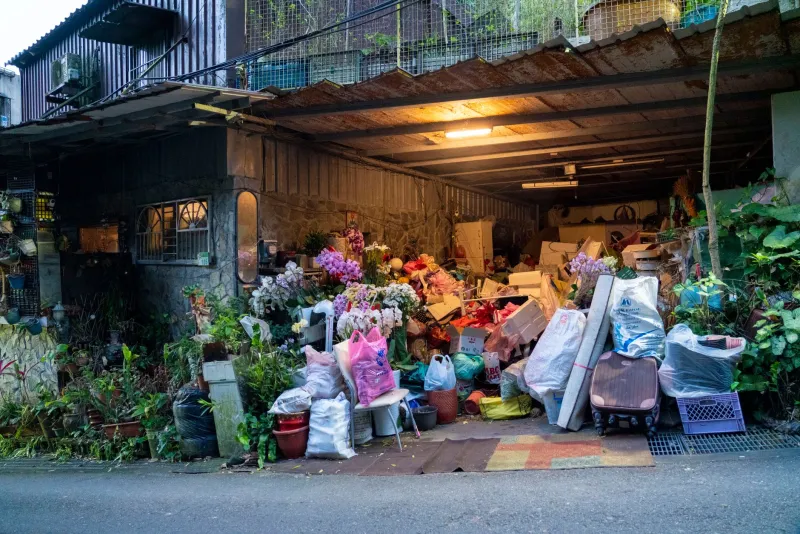
Before You Sell It, Ask Yourself This One Question
There's a certain satisfaction that comes with clearing out. You load up the truck, drop everything at the donation center or list it on Facebook Marketplace, and suddenly your garage feels like a yoga studio. Clean. Open. Peaceful.
But here's the question nobody's asking in the middle of that dopamine rush: What is this actually worth to me in two years?
The decluttering trend — fueled by minimalist influencers, tidying gurus, and weekend warriors with a rented dumpster — has done a lot of good. Most of us genuinely have too much stuff. But it's also pushed a one-size-fits-all mindset onto decisions that deserve a little more nuance. Because sometimes, the thing you're about to haul to the curb is quietly appreciating in value, waiting on a seasonal need, or tied to a business opportunity you haven't fully developed yet.
The question isn't always should I keep this? Sometimes the smarter question is where should I keep this?
When Selling Is Actually the Expensive Choice
Let's start with a scenario a lot of families know well. Say you've got a relative who left behind a collection — vintage farm equipment, antique furniture, a set of classic motorcycles. The estate is settled, everyone's emotionally drained, and the easiest path is to let an estate sale company come in and price everything to move fast.
That's exactly what happens to thousands of families every year. And in many of those cases, items that would have commanded serious money at auction, through a specialty dealer, or even on eBay with a little patience, get sold for pennies because convenience won the argument.
The alternative? A climate-controlled storage unit and a few months to do your homework. For a relatively modest monthly fee, you can preserve those assets while you figure out what they're actually worth — instead of locking in a loss just to clear the house quickly.
The same logic applies to business owners. A contractor who sells off equipment during a slow season might find himself renting that same type of equipment eight months later at a painful daily rate. A farmer who offloads an extra trailer to simplify the yard might spend the following harvest scrambling to haul product. Selling feels like a win right up until the moment you need the thing you sold.
The Seasonal Angle Nobody Talks About
A big driver of the "just get rid of it" impulse is the frustration of stuff that only gets used part of the year. Boats. ATVs. Snowblowers. Holiday decorations that fill three Rubbermaid bins. Lawn equipment that sits idle for five months straight.
When that gear is crowding your garage or cluttering your property, it starts to feel like a burden. And a burden is easy to justify unloading.
But pull back and look at the replacement cost. A quality riding mower can run $3,000 or more. A decent fishing boat with a trailer might be $15,000, $20,000, or significantly higher depending on what you've got. Selling those items at a fraction of their value — and then eventually replacing them when you need them again — is a losing financial proposition dressed up as a simplicity win.
Off-site storage flips that equation. Instead of letting seasonal frustration drive a permanent decision, you move the gear somewhere secure and out of your way. Your property feels cleaner. Your stress drops. And you haven't torched the asset in the process.
Collectibles, Appreciating Assets, and the Long Game
Here's where it gets interesting for a certain type of person — the one who's been quietly accumulating things with an eye toward the future. Vintage signage. Classic vehicles. First-edition books. Sports memorabilia. Certain categories of tools and machinery that are no longer manufactured.
These aren't just stuff. They're assets. And assets deserve to be treated like assets — which means storing them in conditions that preserve their value, not stacking them in a leaky barn or letting them absorb humidity in a basement.
A well-maintained classic car stored in a proper facility holds its value in a way that the same car left to the elements simply won't. A collection of vintage advertising signs stored in a clean, dry unit stays display-ready and sale-ready. The storage cost isn't a sunk expense — it's part of protecting the investment.
For collectors and entrepreneurs who play the long game, this kind of strategic storage isn't hoarding. It's asset management.
The Real Difference Between Clutter and Capital
Let's be honest — not everything deserves to be kept. Broken appliances, clothes that haven't fit in a decade, duplicates of things you genuinely don't need two of — that stuff can go. The decluttering crowd isn't wrong about all of it.
The distinction worth making is between clutter and capital. Clutter is stuff that has no real path to value — sentimental maybe, but not financially meaningful and not serving a practical purpose. Capital is the gear, equipment, vehicles, collections, and inventory that have real monetary value or genuine utility that you'll access again.
Clutter? Clear it out. Capital? Protect it properly.
The problem is that in the heat of a big cleanout weekend, people treat both categories the same way. The rush to simplify overrides the slower, more deliberate thinking that would separate the two.
Building in a pause — and having a place to put things while you think it through — is worth more than most people realize.
Storage as a Strategic Tool
At Big Country Parking & Storage, we see this play out all the time. Someone comes in needing a spot for a vehicle or a unit for equipment, and the conversation eventually turns to why they're storing instead of selling. The answers are as varied as the people giving them.
A small business owner holding onto a second trailer because the business is growing faster than expected. A family preserving a relative's collection while they figure out the best way to sell it on their terms. A hobbyist keeping a project vehicle safe while life gets busy, knowing the right time to finish it will come.
None of these people are hoarders. They're making deliberate decisions to hold onto value rather than liquidate it under pressure.
The monthly cost of a storage unit is real. We're not pretending otherwise. But stacked against the replacement cost of what you're protecting, or the value you'd lose by selling prematurely, it often comes out looking like the smarter side of the ledger.
Think Before You Haul
Next time you're staring at something and the voice in your head says just get rid of it, give yourself a beat. Ask what it would cost to replace it. Ask whether it has a seasonal or future use. Ask whether it's the kind of thing that tends to go up in value, not down.
If the answers point toward keeping it, the follow-up question is simple: where can I store it properly?
That's a question we're pretty good at helping you answer.