What's Leaking Into Your Lawn? The Environmental Side of DIY Vehicle Parking Nobody Talks About
The Puddle Under Your Truck Might Be Someone Else's Problem Too
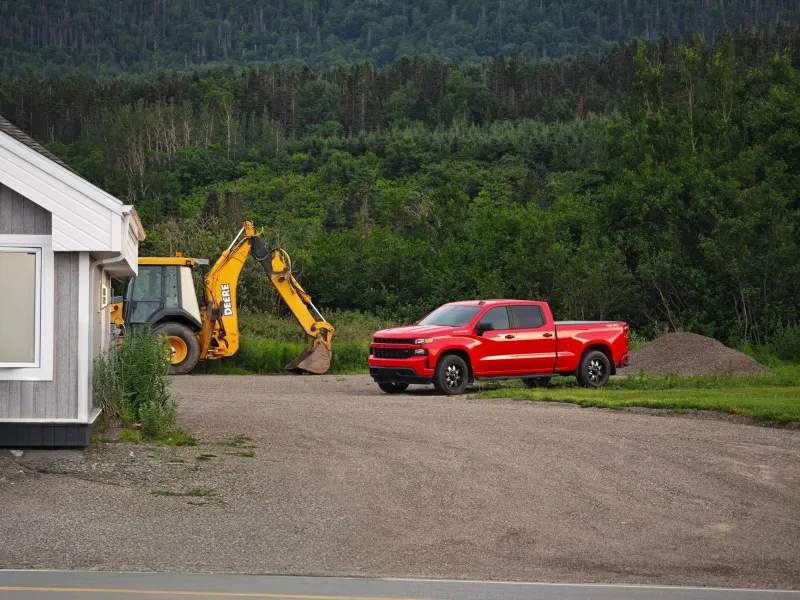
There's a familiar sight in driveways across rural and suburban America: a dark stain spreading slowly across cracked concrete or gravel, left behind by a truck, an RV, or a piece of equipment that's been sitting in the same spot for a little too long. Most people shrug it off. It's their property, their vehicle, their mess to deal with whenever they get around to it.
Except it's not always just their mess.
What drips off a vehicle doesn't stay where it lands. Oil, transmission fluid, antifreeze, brake fluid — these substances seep into soil, migrate toward groundwater, and in some cases travel directly into storm drains that feed local waterways. And the homeowner who let it happen? In certain states and municipalities, they may bear legal and financial responsibility for the cleanup.
This isn't a scare tactic. It's just a part of vehicle ownership that doesn't come up nearly enough in the conversation about where and how to store your cars, trucks, and recreational vehicles.
How Home Parking Areas Become Environmental Hazards
It usually starts small. A slow oil leak that never quite gets fixed. A cracked asphalt surface that lets fluids pool and eventually drain toward the edge of the property. A gravel pad that seemed like a smart low-cost solution until the rains came and started washing everything downhill.
Here's the breakdown of what's actually happening:
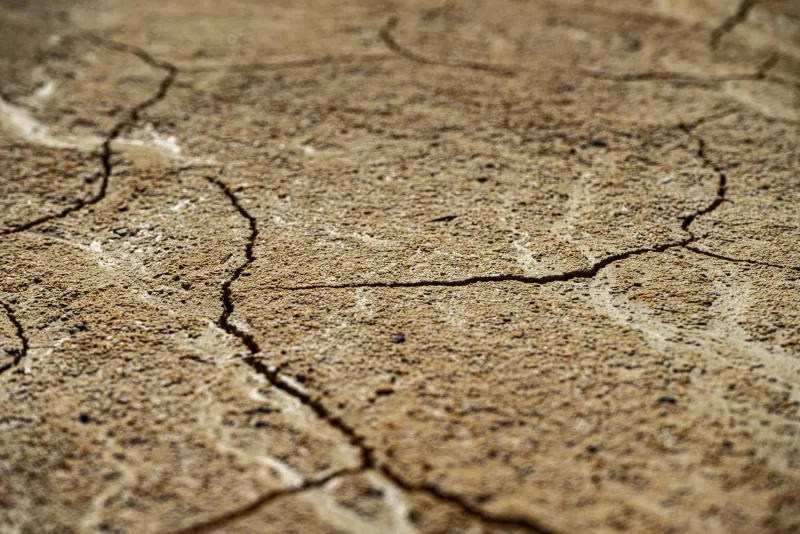
Cracked and deteriorating surfaces stop functioning as barriers. A well-maintained concrete or asphalt surface contains spills. A cracked one channels them — straight into the ground or toward drainage systems.
Gravel and dirt lots offer almost no containment at all. They may feel like a natural, harmless option, but they actually allow fluids to reach the soil and groundwater faster than harder surfaces.
Poor drainage design means rainwater picks up whatever's sitting on your parking surface and carries it somewhere else — often a storm drain, a ditch, or a neighbor's low-lying land.
Antifreeze deserves special mention. Ethylene glycol, the main ingredient in most antifreeze, is acutely toxic to animals and relatively persistent in the environment. It also has a sweet smell that attracts pets and wildlife. A small spill that seems inconsequential can be genuinely dangerous to local fauna.
The Regulatory Side Is More Complicated Than You'd Expect
Most homeowners assume environmental regulations are aimed at factories and industrial operations — not the guy with a leaky truck parked on his own property. And for the most part, casual enforcement bears that out. But the legal framework is broader than people realize.
Under the Clean Water Act, discharging pollutants into navigable waters — including through storm drains — is regulated, and that framework can extend to residential properties in certain circumstances. Several states have their own, stricter versions of these rules.
In some areas, particularly in the Pacific Northwest, the Great Lakes region, and states with aggressive groundwater protection programs, homeowners have faced real consequences for contamination that originated from vehicle storage on their own land. These cases are still relatively rare, but the trend lines aren't moving in the homeowner's favor as environmental enforcement expands.
Beyond state law, local ordinances are increasingly targeting stormwater runoff from residential properties. If your driveway drainage is contributing to a downstream problem, your municipality may eventually have something to say about it — especially in areas dealing with watershed protection or combined sewer overflow issues.
What Professional Storage Facilities Do Differently
This is where the conversation shifts from problem to solution.
A well-run parking and storage facility isn't just a piece of land with good fencing. It's a site that's been designed with environmental responsibility built in — because the facility operator has every incentive to stay compliant and every reason to avoid liability.
Here's what that typically looks like in practice:
Proper surface management. Commercial storage facilities maintain their surfaces. Cracks get repaired. Drainage gets designed and maintained to direct runoff appropriately, often including containment features that prevent fluids from reaching the storm system.
Spill containment protocols. Reputable facilities have procedures in place for handling fluid leaks. Some include designated areas with containment infrastructure for vehicles that are actively leaking.
Regular site inspections. Because they're operating as a business, these facilities are subject to inspections and have operational incentives to stay ahead of problems rather than ignoring them.
Operator accountability. If something goes wrong at a professional facility, there's a business entity with insurance and legal standing to address it. If something goes wrong in your driveway, that's squarely on you.
The Bigger Picture for Rural and Suburban Property Owners
Out here in big country, land feels personal. There's a deep-rooted instinct to manage your own property your own way, and that instinct isn't wrong. But the environmental reality of vehicle storage is one area where DIY solutions carry costs that aren't always visible — not until they show up in a soil test, a water bill, a neighbor's complaint, or a regulatory notice.
Think about the vehicles that spend the most time sitting in one place: the work truck that's always leaking something, the RV that gets parked from October through April, the old project car that hasn't moved in two years. These are the ones doing the most environmental work on your property, quietly and continuously.
Moving them to a professional storage facility doesn't just free up your driveway or protect the vehicles themselves. It moves the environmental responsibility to an operator who is equipped to handle it — one whose business depends on doing it right.
A Practical Checklist Before You Decide
If you're weighing whether your current home parking setup is actually creating risk, here are a few honest questions to consider:
- Is your parking surface cracked, heaving, or showing signs of deterioration?
- Do you notice fluid stains after a vehicle has been parked for a few days?
- Does water pool on your parking area and then drain toward a ditch, stream, or storm drain?
- Are you storing vehicles that have known fluid leaks, even minor ones?
- Do you live in a state with active groundwater protection programs or stormwater regulations?
If you're nodding along to more than one of those, it's worth having a real conversation about your options. Sometimes the most responsible choice for your land — and your community — is letting someone else handle the storage.
At Big Country Parking & Storage, that's exactly what we're set up to do. If you've got vehicles, equipment, or recreational assets that need a proper home, we'd love to talk about what secure, well-maintained storage looks like for your situation.