Parking Your Work Truck at Home Is a Business Decision — And It's Probably the Wrong One
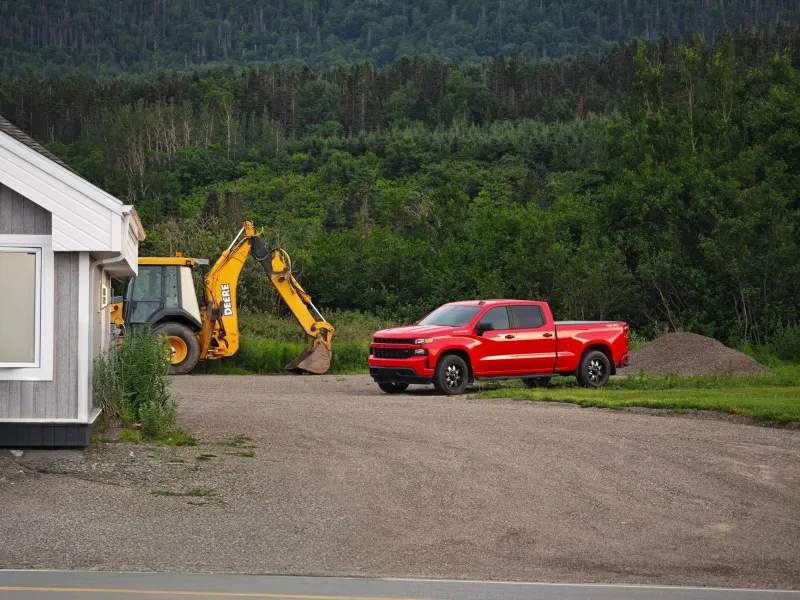
There's a certain logic to it. You finish a long day on the job site, pull the truck into the driveway, and call it done. No extra stops, no added hassle. The rig is right there when you need it in the morning, tools loaded and ready to roll.
But if you're a self-employed contractor, landscaper, plumber, or any kind of tradesperson who regularly brings work vehicles and equipment home, that routine convenience might be doing more damage than you realize — to your property, your business, and your relationship with the people who live around you.
Let's break down what's actually happening when your work truck becomes a permanent fixture in your residential driveway.
Your Driveway Wasn't Built for That
Residential driveways are designed for passenger vehicles. That's it. A standard concrete or asphalt driveway is typically engineered to handle cars and light SUVs — not a one-ton diesel pickup loaded with tools, materials, and a trailer attached to the hitch.
Over time, the weight and repeated stress of a heavy work vehicle causes cracking, sinking, and surface breakdown that accelerates far faster than normal wear. Depending on your driveway material and local climate, the repair bill can run anywhere from a few hundred to several thousand dollars. And that's before you factor in any damage to the apron, curb cut, or the edge of the street — which, in some municipalities, is your financial responsibility to fix.
If you're also parking a trailer, a skid steer, or any kind of equipment alongside the truck, the math gets worse in a hurry.
Zoning Rules Don't Care How Tired You Are
Here's the part most contractors don't think about until it's too late: a lot of residential zones in the US have specific rules about commercial vehicles and equipment stored on private property. These restrictions vary by county, city, and even neighborhood — but they're more common than people assume.
Some ordinances limit the size or weight of vehicles that can be parked in a residential driveway overnight. Others flat-out prohibit commercial equipment, signage, or business-use vehicles in residential areas. Homeowners association rules, where they exist, often go even further.
Violations can result in fines, notices of non-compliance, or orders to remove the vehicle. And if you're trying to run a legitimate business, the last thing you need is a municipal code officer showing up at your house.
The Insurance Problem Nobody Talks About
Your personal auto insurance almost certainly doesn't cover a vehicle being used for commercial purposes — at least not in any meaningful way. And your homeowner's policy? It's not going to cover business equipment stored on your property either.
This creates a coverage gap that a lot of solo contractors don't discover until they file a claim and get denied. A truck damaged in your driveway overnight, tools stolen from an unlocked trailer, equipment that gets hit by another vehicle while parked at your home — all of that can fall into a gray area that leaves you holding the bill.
Dedicated commercial vehicle storage often pairs better with commercial auto and equipment insurance policies, and having a documented off-site storage location can actually help clarify coverage with your insurer.
What the Neighbors Are Thinking (And What They Might Do About It)
This one's uncomfortable, but it's real. A work truck — especially one that's muddy, loud at 5:30 AM, or taking up space on a shared street — is a common source of neighbor friction. Combine that with a trailer, a pile of materials, or equipment that gets moved around at odd hours, and you've got a recipe for complaints.
In tight-knit rural communities and suburban neighborhoods alike, those complaints can escalate. Code enforcement calls. HOA grievances. In some cases, civil disputes. None of that is good for your reputation as a neighbor or as a business owner.
And in the trades, reputation is everything. Word travels fast. The last thing you want is your name associated with the guy on the street who's always causing problems.
The Professional Image Problem
Speak to any business coach who works with tradespeople and they'll tell you the same thing: how you present your business matters, even in fields that seem purely practical. Clients notice details. Referral sources notice details.
When a potential customer drives past your house and sees a beat-up work truck crammed into a residential driveway next to the kids' bikes, it doesn't exactly project confidence. It's a small thing, but small things add up in how people perceive your operation.
Contrast that with a contractor who rolls up in a clean, well-maintained vehicle that's been properly stored — that's someone who looks like they run a tight ship.
What Off-Site Storage Actually Solves
A dedicated vehicle storage facility addresses most of these problems in one move.
Your driveway stops taking a beating. Your neighborhood stays peaceful. Your equipment is in a secure, monitored location rather than sitting exposed on a residential street. And you create a cleaner separation between your home life and your work life — something that matters more than most contractors admit.
For businesses that are growing, off-site storage also scales with you. Need to add a second truck or a trailer? You're not fighting for driveway space. You've already got a solution in place.
At Big Country Parking & Storage, we work with a lot of local tradespeople who made this switch and wish they'd done it sooner. The monthly cost is almost always less than they expected — and when they stack it up against driveway repairs, fines, insurance complications, and neighbor headaches, the value is pretty clear.
The Bottom Line
Parking your work truck at home feels like the free option. But free has a way of adding hidden charges when you're not paying attention.
If you're running a legitimate trade business and you're serious about protecting your assets, your property, and your professional reputation, it's worth taking a hard look at where your vehicles and equipment are actually living when the workday ends.
Sometimes the smarter move is getting them off your property entirely — and into a space that's built for exactly that purpose.