That Gravel Patch Out Back Is Probably Costing You More Than You Think
The DIY Parking Dream vs. Reality
It sounds simple enough. You've got land, you've got vehicles, and you've got a hardware store nearby. Throw down some gravel, maybe stake out a few parking spots, and call it a day. For a lot of folks in rural and suburban America, that's exactly how the story starts.
It rarely ends that cleanly.
The truth is, creating a functional, safe, and legal parking area on your own property involves a lot more than a truckload of rock. And when you start adding up what it actually costs — not just upfront, but month after month, year after year — the numbers have a way of surprising people.
The Upfront Investment Adds Up Fast
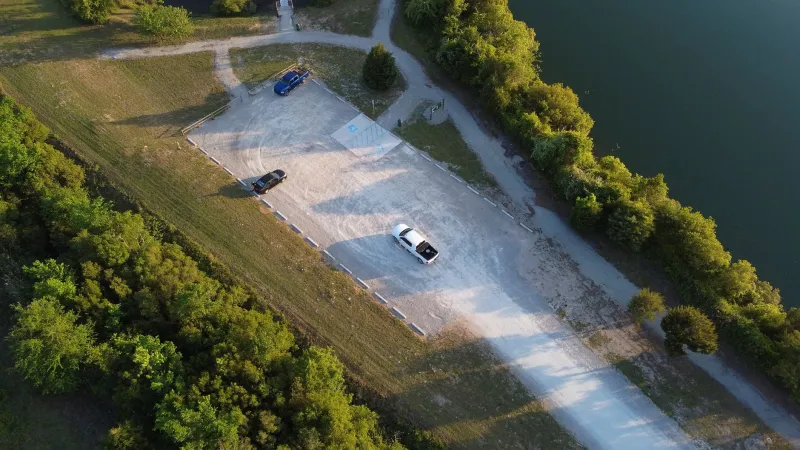
Let's start at the beginning. A basic gravel parking area for, say, four to six vehicles isn't cheap to do right. You're looking at excavation costs, proper base material, drainage grading, and then the gravel itself. Depending on your region and soil conditions, a properly prepared gravel lot can run anywhere from $1,500 to $5,000 or more just to get it started.
And that's if you do everything correctly from day one. Many property owners skip steps — skip the base layer, skip the drainage planning — and end up with a muddy, rutted mess after the first heavy rain. Then they spend more money trying to fix what they should've done right the first time.
If you're in the South or Midwest where clay soils shift and swell with moisture, this is especially painful. That flat, firm surface you had in July can turn into a soft, uneven pit by November.
Maintenance Is the Gift That Keeps on Taking
Gravel doesn't stay put. It migrates. It sinks. It gets kicked out onto the lawn, the driveway, and eventually the road. Most property owners who go the DIY route end up replenishing their gravel every year or two, sometimes more often depending on traffic volume and weather.
Add in occasional regrading — because that surface will develop low spots and drainage problems over time — and you're looking at ongoing costs that few people factor in when they first break ground. It's not unusual for a property owner to spend $500 to $1,500 per year just keeping a modest gravel lot functional.
Now multiply that over five years. Over ten. The "cheap" solution doesn't look quite so cheap anymore.
Liability: The Part Nobody Wants to Think About
Here's where things get serious. The moment someone else's vehicle is on your property, you've taken on a certain level of responsibility. If a car gets damaged — by a falling branch, flooding, another vehicle, or even just sinking into soft ground — you may find yourself in an uncomfortable conversation with your neighbor, your insurance company, or both.
Most standard homeowner's insurance policies have limited coverage for third-party vehicles stored or parked on your land. And if you're informally renting out parking spots to neighbors or coworkers — even for just a few bucks a month — you may have inadvertently created a business activity that your policy explicitly excludes.
Personal injury liability is another layer. If someone trips, slips, or gets hurt on your makeshift lot, your exposure can be significant. Professional storage facilities carry commercial liability insurance specifically designed to cover these scenarios. Your homeowner's policy almost certainly wasn't written with a parking operation in mind.
The Neighbor Problem
In rural areas, disputes over land use can get complicated fast. Even if you're not doing anything technically illegal, a gravel parking area that's visible from the road or from a neighbor's property can become a source of friction. Complaints about dust, noise from vehicles coming and going, or concerns about property values aren't uncommon.
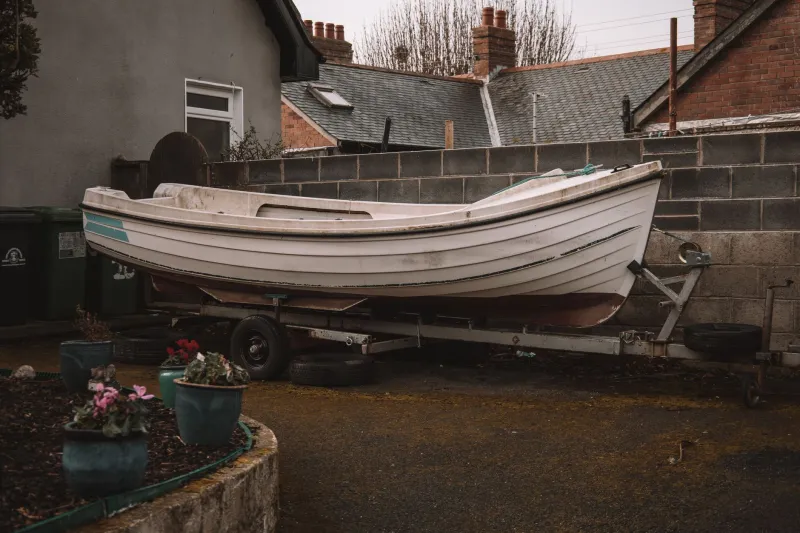
In suburban settings, local zoning ordinances may outright prohibit certain types of vehicle storage on residential lots — especially for RVs, boats, or commercial vehicles. Violations can result in fines, mandatory removal, and ongoing headaches that far outweigh whatever convenience you were trying to create.
Before you haul in that first load of gravel, it's worth a call to your county zoning office. What you find might change your plans entirely.
The Real Cost-Per-Space Comparison
Let's put some rough numbers together. If you spend $3,000 to build a four-space gravel lot and then $800 per year maintaining it, you're at roughly $7,000 over five years — or about $350 per space, per year, just in direct costs. That doesn't include your time, the liability exposure you're carrying, or any fines or legal costs if something goes sideways.
A secure, professional parking and storage facility, by contrast, offers covered or secured spaces with proper drainage, lighting, and insurance coverage — often for a monthly fee that works out to far less than people expect. When you factor in what you're actually getting (peace of mind, liability protection, consistent surface conditions, and a facility that's maintained by professionals), the value proposition shifts pretty dramatically.
What You're Actually Paying For at a Professional Facility
When you rent a space at a facility like Big Country Parking & Storage, you're not just paying for a patch of ground. You're paying for:
- Consistent, maintained surfaces that don't turn into mud pits after a rainstorm
- Security features like fencing, lighting, and access controls
- Commercial liability coverage that protects both you and your vehicle
- Professional management that handles the headaches so you don't have to
- Zoning compliance — because a licensed storage facility has already cleared the regulatory hurdles you'd have to navigate on your own
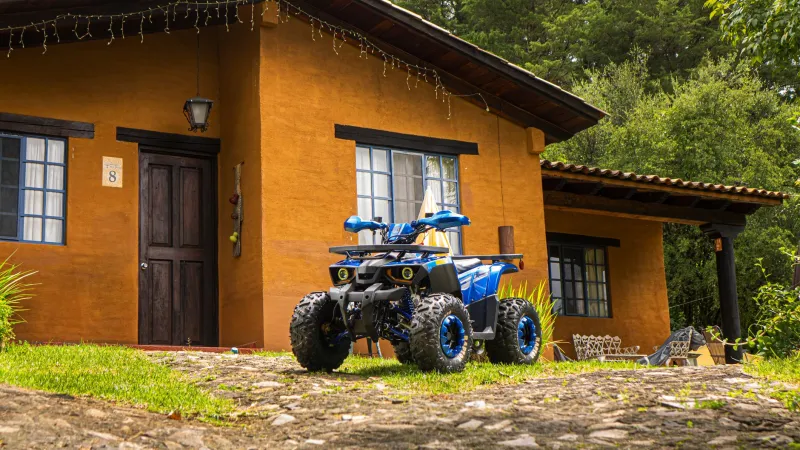
There's also something to be said for not having your vehicles sitting on your own property taking up space, attracting attention, or becoming a source of tension with the people who live next door.
A Smarter Way to Think About It
Look, nobody's saying the DIY instinct is wrong. Out here in big country, the do-it-yourself spirit is part of the culture, and there's real pride in handling things yourself. But there's also wisdom in knowing when a problem is bigger than it looks — and when the "easy" solution is actually the expensive one.
If you've got vehicles, equipment, or other assets that need a place to live, it's worth doing an honest accounting of what your current setup is actually costing you. Not just in dollars, but in time, stress, and risk.
You might find that the smarter, more affordable option has been sitting right there all along — just not in your backyard.