That 'Harmless' Handshake Deal Could Be Quietly Draining Your Property's Worth
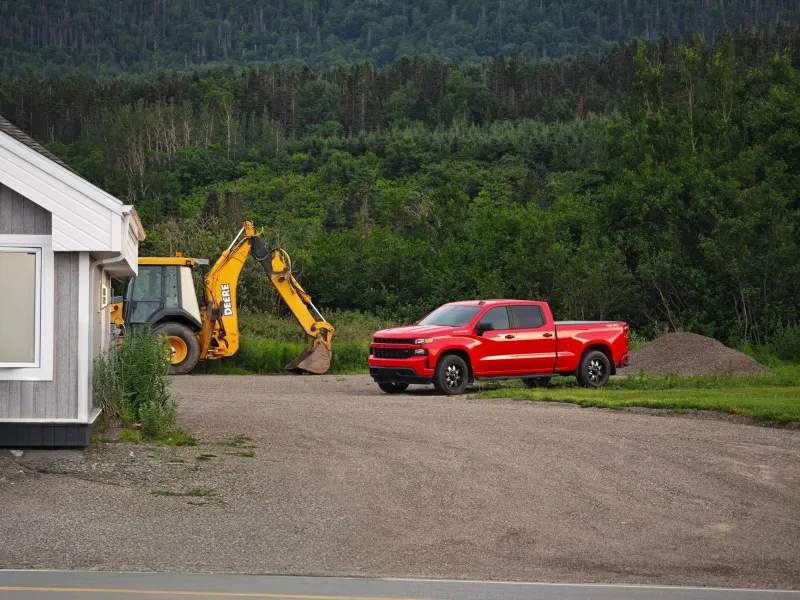
It starts simply enough. A buddy needs somewhere to park his work trailer for a few weeks. Your cousin asks if she can leave her camper on the back corner of your lot while she figures out her next move. A neighbor offers a little cash — or maybe just a case of beer — to use a strip of your gravel for overflow parking during the busy season.
None of it feels like a real arrangement. No paperwork, no lease, no formal agreement. Just neighbors being neighbors, right?
Not exactly. What feels like a casual favor can quietly become a financial liability that follows your property for years — showing up at the worst possible moments, like when you're trying to sell, refinance, or settle an estate.
What Appraisers Actually See When They Pull Up to Your Property
Here's something most homeowners don't realize: appraisers aren't just measuring square footage and checking for granite countertops. They're reading the story of how a property has been used — and misused.
When an appraiser spots vehicles, trailers, or equipment parked on a property in ways that don't align with its zoning or intended use, it raises questions. Are there drainage issues that make the land unusable for anything else? Is there an undisclosed easement? Has the land been used commercially in a way that created legal obligations?
Those questions don't always have clean answers, and unanswered questions cost you money. Appraisers may apply downward adjustments to account for what they can't verify. In rural and suburban markets, where land value often makes up a significant portion of total property worth, that adjustment can run into the thousands.
In one commonly cited scenario in real estate circles, a property owner in a rural Midwestern county allowed a small trucking operator to use a corner of his acreage for staging equipment. The arrangement was informal — a verbal agreement and a modest monthly payment. When the owner later listed the property, the appraiser flagged the worn ground, compacted soil, and visible ruts as indicators of commercial use. The final appraisal came in $18,000 below the owner's expectations, and two buyers walked away before a deal finally closed at a reduced price.
The Title Problem Nobody Warns You About
Appraisals aren't the only landmine. Title work — the legal process of verifying that a property can be cleanly transferred from one owner to another — can get surprisingly complicated when informal use patterns enter the picture.
In some states, long-term, open, and continuous use of someone else's property can create what's called a prescriptive easement. This is essentially a legal right that develops over time, even without a written agreement. If someone has been parking on your land consistently for years, and the arrangement has been visible and uncontested, a court could determine that they've acquired a limited legal right to continue doing so.
That's not a hypothetical scare tactic. It's a real legal doctrine that shows up in property disputes across the country, from Texas to Tennessee to the Pacific Northwest. Title companies take it seriously, and when they spot evidence of long-term informal use during a title search, they may require additional documentation, legal opinions, or even quiet title actions before they'll issue a clean policy.
Any one of those requirements adds cost, time, and uncertainty to what should be a straightforward transaction.
How Buyers Read Informal Arrangements — Even When They Don't Know the Details
Buyers are perceptive, even when they can't articulate exactly what's bothering them about a property. A well-worn path through the back of your lot, tire tracks cutting across an area that should be undisturbed, or a patch of compacted, oil-stained ground near the fence line — these are visual signals that something has been going on.
Buyers may not immediately think "prescriptive easement" or "appraisal adjustment." But they do think: What's the story here? What am I inheriting?
That hesitation is enough to invite lower offers, longer negotiation timelines, and more contingencies. In a competitive rural or suburban real estate market, where buyers already have options, that hesitation can be the difference between a clean sale and a deal that drags on for months — or doesn't close at all.
Refinancing: The Problem That Hits Before You're Even Trying to Sell
You don't have to be selling to feel the pain. Refinancing your mortgage requires an appraisal too, and the same flags that hurt you at sale can limit how much equity a lender will let you access.
If you've been allowing informal parking and your appraised value comes in lower than expected, you may find yourself locked out of a cash-out refinance, unable to qualify for a home equity line of credit, or stuck with a loan-to-value ratio that limits your options. For rural property owners who often use land equity as a financial resource — whether for farm improvements, business investment, or personal needs — that's a real and immediate cost.
The Fix Is Simpler Than the Problem
Here's the good news: this is entirely avoidable. And the solution isn't complicated.
Professional parking and storage facilities exist precisely to handle the kind of vehicle and equipment storage that creates these problems when it lands on private residential or agricultural land. When your neighbor needs somewhere to park their trailer, when your cousin needs a spot for the camper, when someone in your circle needs consistent, secure vehicle storage — pointing them toward a dedicated facility protects everyone.
At Big Country Parking & Storage, we offer secure, well-maintained storage and parking options designed specifically for vehicles, trailers, RVs, and equipment. Our customers get a real lease, real security, and a real solution — without creating liability for anyone else.
And for property owners, the math is straightforward: the few dollars you might collect from an informal arrangement are almost never worth the appraisal adjustments, title complications, and buyer hesitation that can follow.
Protect the Investment You've Already Made
Your land is worth something. In many cases, it's worth a lot. The people who own rural and suburban properties in this country have often spent decades building equity, improving their acreage, and maintaining what they have.
Don't let a casual favor quietly chip away at that. The next time someone asks to park on your property — even temporarily, even for free — consider what that handshake deal might actually cost you down the road.
Because in real estate, the things that seem like they don't matter almost always do.