The Second Car Trap: What That Extra Vehicle Parked at Home Is Really Draining From Your Wallet
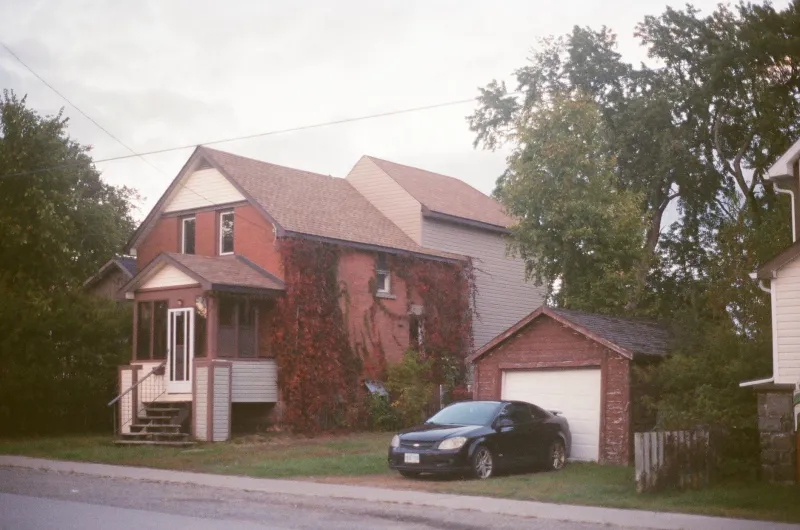
You bought the second vehicle for good reasons. Maybe it's a truck you pull out for hauling, a spare car for a teenager, or a classic you drive a few times a year when the weather cooperates. Whatever the backstory, it made sense at the time. But there it sits — taking up space, collecting dust, and quietly chipping away at your finances in ways most people never bother to add up.
Let's do the math that your bank statement isn't doing for you.
The Insurance Bill Nobody Questions
Most households just accept the insurance premium on a second or third vehicle as a fixed cost of ownership. You pay it, you move on. But here's the thing: where your vehicle is stored has a direct impact on what you're paying.
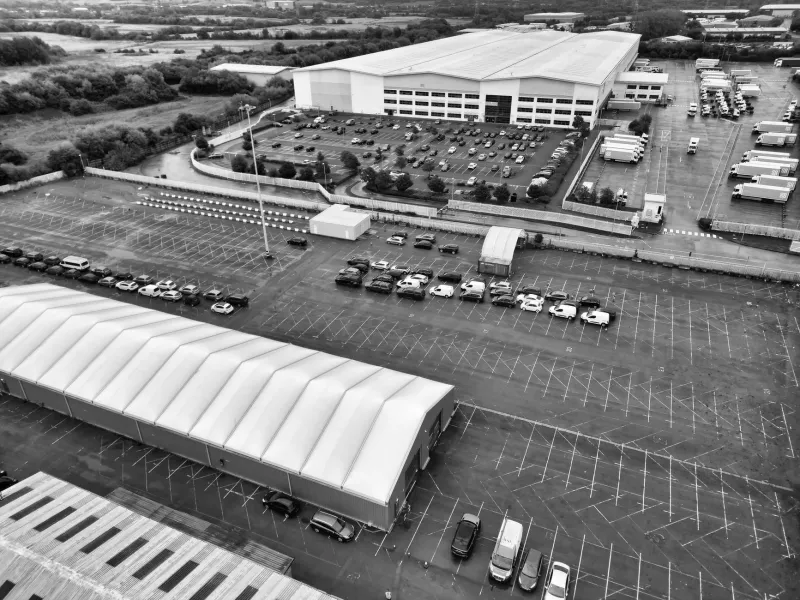
Insurers assess risk based on location and exposure. A vehicle parked on a residential street or sitting in an open driveway carries a higher risk profile than one stored in a dedicated, secured facility. Theft, vandalism, weather damage, and even neighborhood accident rates all factor into that premium. Some drivers who've moved vehicles to off-site storage have reported meaningful rate reductions — not dramatic, but consistent, and they compound year over year.
Ask your insurance agent directly: does off-site storage at a secured facility affect my rate? The answer might surprise you.
Depreciation Doesn't Take Days Off
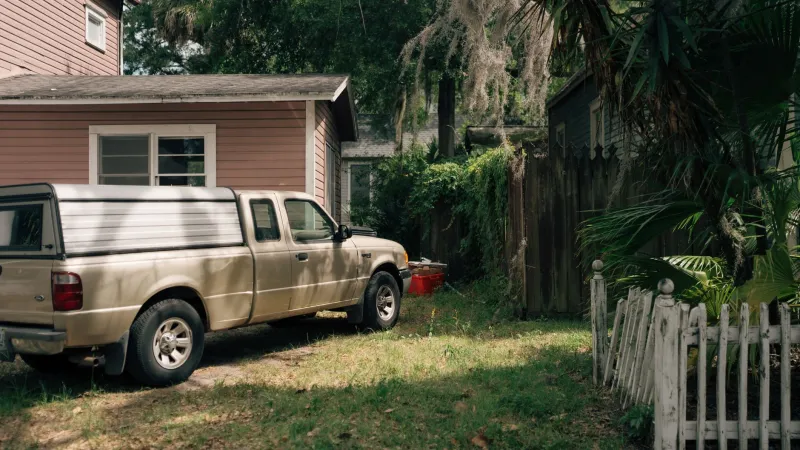
A vehicle parked outside is a vehicle aging in real time. UV exposure fades paint. Temperature swings expand and contract seals, gaskets, and rubber components. Moisture works its way into places you can't see until the damage is already done. Sitting vehicles also develop flat spots on tires, stale fuel issues, and battery degradation — none of which are free to fix.
The irony of a "spare" vehicle is that it often gets the least attention while taking on the most wear from environmental exposure. It's not being driven, so it's not being maintained the way a daily driver would be. And when you finally go to sell it, that deferred maintenance and cosmetic wear shows up in the appraisal.
A climate-appropriate storage environment — even a covered, secured outdoor space — dramatically slows that process. Your vehicle holds its value longer, and when it's time to sell or trade, you're negotiating from a stronger position.
What Your Property Is Absorbing
This one catches people off guard. In some counties and municipalities across the US, the number of vehicles on a residential property can influence assessed value — and not always in a positive direction. An overcrowded driveway can signal to assessors (and appraisers, if you're refinancing or selling) that the property is being used in ways that strain its infrastructure.
Beyond formal assessments, there's the practical reality of what multiple vehicles do to a driveway. Concrete and asphalt take a beating from constant weight, oil drips, and fluid leaks. Repairs aren't cheap, and they're easy to ignore until you're staring at a cracked, stained surface that's now a line item in a home sale negotiation.
Removing even one vehicle from your property footprint reduces that wear and keeps your curb appeal intact — which matters more than most homeowners admit until it's time to sell.
The Maintenance Access Problem
Here's a practical headache that rarely gets mentioned: when your vehicles are stacked in a driveway or crammed into a garage, getting proper maintenance done becomes a logistical puzzle. You're working around other cars, limited space, and the general chaos of a residential property that wasn't designed for fleet management.
Service providers — mechanics, detailers, inspectors — also charge differently based on accessibility. If your second vehicle is buried behind the daily driver and surrounded by yard equipment, you're either doing it yourself under less-than-ideal conditions or paying someone else to deal with the inconvenience.
Off-site storage facilities typically offer easier access on your schedule, with enough space to actually work around the vehicle without a game of automotive Tetris.
Rethinking Storage as a Financial Strategy
The conventional wisdom is that storage costs money, so keeping everything at home is the smart play. But that logic only holds if you're not counting the right things.
When you add up the insurance differential, the accelerated depreciation, the property wear, and the maintenance inefficiency, off-site vehicle storage starts looking less like an expense and more like a hedge. You're paying a predictable monthly cost in exchange for reduced exposure across several unpredictable cost categories.
For seasonal vehicles — trucks, convertibles, motorcycles, recreational vehicles — the calculation tilts even further. A vehicle that only gets used six months a year has no business sitting outside through the other six, accumulating damage it didn't earn.
The Bigger Picture
Owning multiple vehicles is a normal part of American life, especially in rural and suburban areas where you genuinely need different tools for different jobs. Nobody's suggesting you get rid of the truck or sell the spare car. But where you keep it matters, and the cost difference between "at home" and "properly stored" is closer than most people expect — and often tips in favor of getting it off the property.
At Big Country Parking & Storage, we work with a lot of households that came to us after doing exactly this kind of math. The conversation usually starts with "I just need somewhere to put it" and ends with "I should have done this a long time ago."
If you've got a second vehicle sitting at home right now, it's worth asking what it's actually costing you to keep it there.