Two Properties, Double the Drain: What Seasonal Homeowners Are Finally Figuring Out
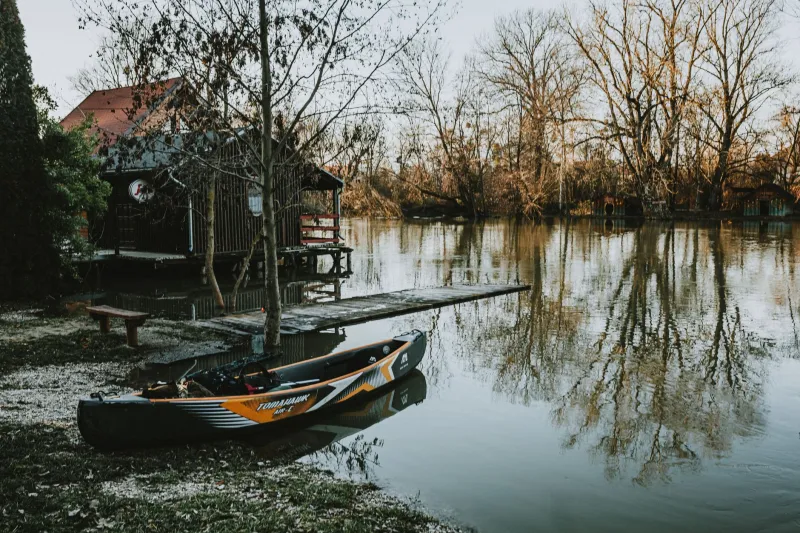
There's something undeniably appealing about having a place to escape to. A hunting cabin tucked back in the woods. A lake house that smells like sunscreen and pine needles. A mountain retreat you pull out of storage every Memorial Day weekend. For millions of American families, a seasonal property isn't just real estate — it's a way of life.
But here's the part nobody puts in the brochure: owning a second property doesn't just mean paying a second mortgage or a second set of property taxes. It means paying to store your life in two places at once. And that quiet, ongoing cost? It adds up faster than most people expect.
The Invisible Price Tag on a Second Property
Let's talk about what's actually happening financially when you maintain a seasonal home. Beyond the obvious expenses — insurance, property taxes, upkeep — there's a whole layer of costs tied directly to keeping belongings at the property year-round.
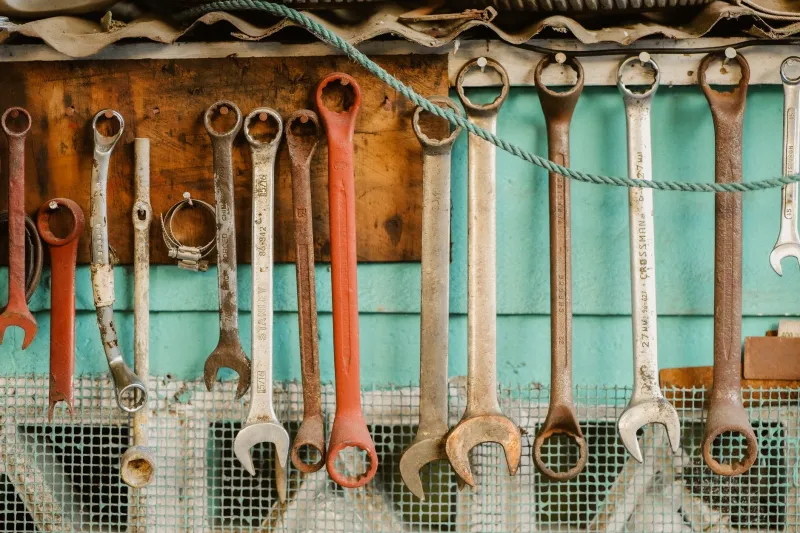
Think about the gear that lives at the cabin: fishing rods, kayaks, ATVs, snowmobiles, outdoor furniture, tools, spare appliances, linens, kitchen equipment. Now think about what it takes to keep that stuff safe and functional when nobody's around for six or eight months out of the year.
You're heating or cooling a structure to protect belongings from temperature extremes. You're paying for a security system — or hoping nothing walks off on its own. You're dealing with pest intrusion, moisture damage, and the slow deterioration that comes from things sitting unused in a space that wasn't designed for long-term storage. And every time something breaks or goes missing, you're not just replacing it — you're driving hours to deal with it.
That's before you factor in the property taxes on square footage that functions more as a storage unit than a living space for most of the year.
Spreading Thin Across Two Locations
Here's a pattern that comes up again and again: seasonal homeowners end up with partial sets of everything at both locations. Half the tools are at the cabin, half are at home. The good fishing gear migrates back and forth. Nobody can remember where the spare propane tanks ended up. The backup generator is... somewhere.
This isn't just inconvenient — it's expensive. Duplicate purchases pile up because it's easier to buy a second one than to haul the first one back and forth. Items get left in conditions they weren't meant for and deteriorate faster. And the mental overhead of managing inventory across two properties is real, even if it doesn't show up on a bank statement.
Seasonal property owners are essentially running a small logistics operation out of their own lives. And most of them didn't sign up for that.
What Consolidating Actually Looks Like
More families are landing on the same solution: pull the seasonal gear out of both properties and put it in one place — a professionally managed storage facility that's accessible when you need it and secure when you don't.
Instead of leaving the snowmobile at the cabin all summer (where it's sitting in humidity and heat, potentially getting into mischief with curious wildlife), it goes into climate-appropriate vehicle storage. Instead of leaving the boat trailer at the lake house through winter (where freeze-thaw cycles and road salt are doing their worst), it parks somewhere designed to handle it.
The financial case is straightforward. A dedicated storage unit or vehicle storage space typically costs a fraction of what you're spending to maintain a second structure as a de facto storage facility. You stop paying to heat, cool, and secure a building just to protect stuff. You stop making duplicate purchases. You stop losing track of things.
And when it's time to head to the cabin or the lake house, you swing by the storage facility, load up what you need, and go. One stop. Everything in one place. No surprises.
The Property Itself Gets to Breathe
There's another angle here that doesn't get talked about enough: when you stop using your seasonal property as a storage warehouse, the property itself gets better.
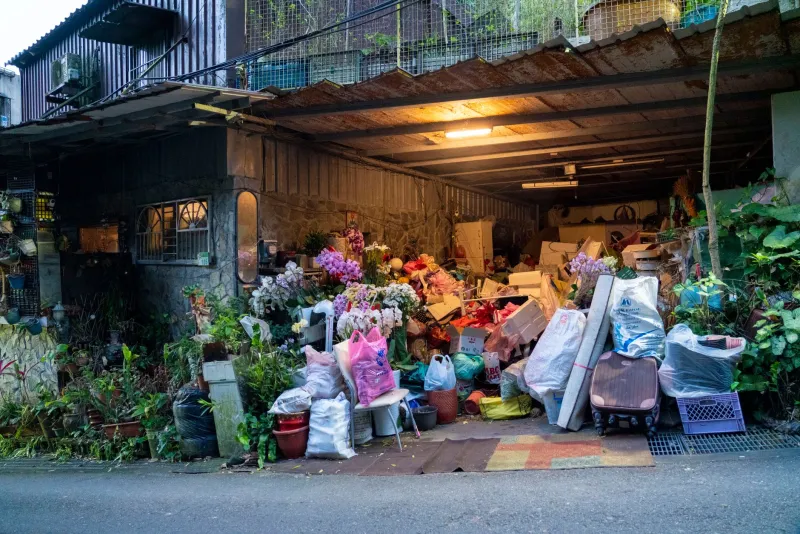
A cabin that isn't crammed with off-season gear feels more like a retreat and less like a cluttered garage. You can actually use the space. Guests don't have to navigate around equipment. The property photographs better if you ever decide to rent it out short-term. And ongoing maintenance is easier when you're not working around piles of stored belongings.
For families who are thinking about eventually selling a seasonal property, this matters even more. A clean, well-maintained space sells better than one that's been used as a catch-all for two decades of accumulated gear.
Not Just for the Wealthy
It's worth saying directly: this isn't just a strategy for people with sprawling vacation compounds. Middle-class families who scrimped and saved to buy a modest hunting lease cabin or a small lake lot are often the ones feeling this financial pinch the hardest.
When you're watching every dollar, paying to maintain two full sets of belongings across two properties is a real burden. A storage solution that costs a predictable monthly amount — and eliminates a whole category of seasonal expense — can genuinely move the needle on a household budget.
And for rural families especially, having a storage facility that understands big equipment, outdoor gear, and the rhythms of seasonal living makes a real difference. Not every storage facility is set up for a 24-foot bass boat or a pair of ATVs. Finding one that is, and that's located conveniently between your home and your seasonal property, changes the whole equation.
Doing the Honest Math
If you own a seasonal property, here's a worthwhile exercise: sit down and actually calculate what you're spending to maintain storage across both locations. Include the proportional utility costs, the insurance riders, the pest control, the duplicate purchases you've made in the last two or three years, and the value of the time you've spent managing it all.
For most people, that number is higher than expected. Sometimes significantly higher.
Then compare it to what a secure, professionally managed storage space would actually cost. The math tends to make the decision pretty easy.
Owning a seasonal property should feel like a reward, not a second job. Getting smart about where you store the things that go with it is one of the simplest ways to get back to enjoying the whole point of having a getaway in the first place.